BOULTON LAB
Research

Boulton Lab

Research

Research

Research programmes

Four editorially structured programmes summarise the laboratory’s current and foundational work using verified public sources.
01

Double-strand break repair and pathway choice

How are broken DNA ends protected and directed into the appropriate repair pathway?

The laboratory dissects how chromatin-associated factors control the architecture and metabolism of DNA double-strand breaks. Particular emphasis is placed on end protection, repair-factor recruitment and pathway choice.

Biochemical, genetic and cell-biological approaches reveal how repair decisions preserve chromosome integrity and how their disruption creates cancer-selective vulnerabilities.
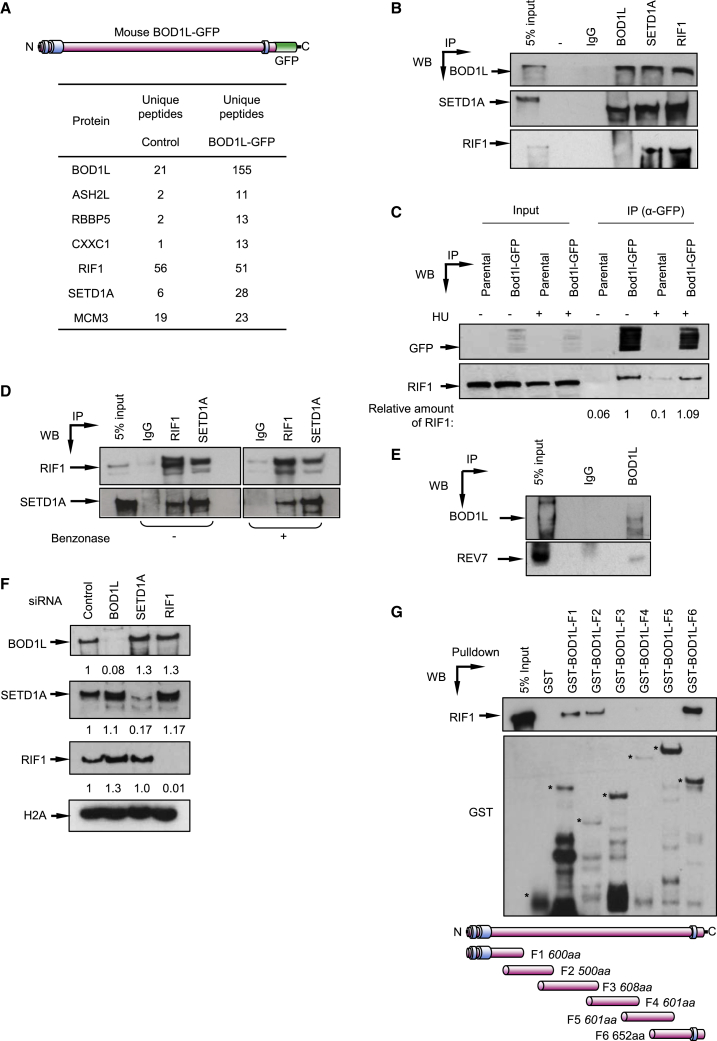
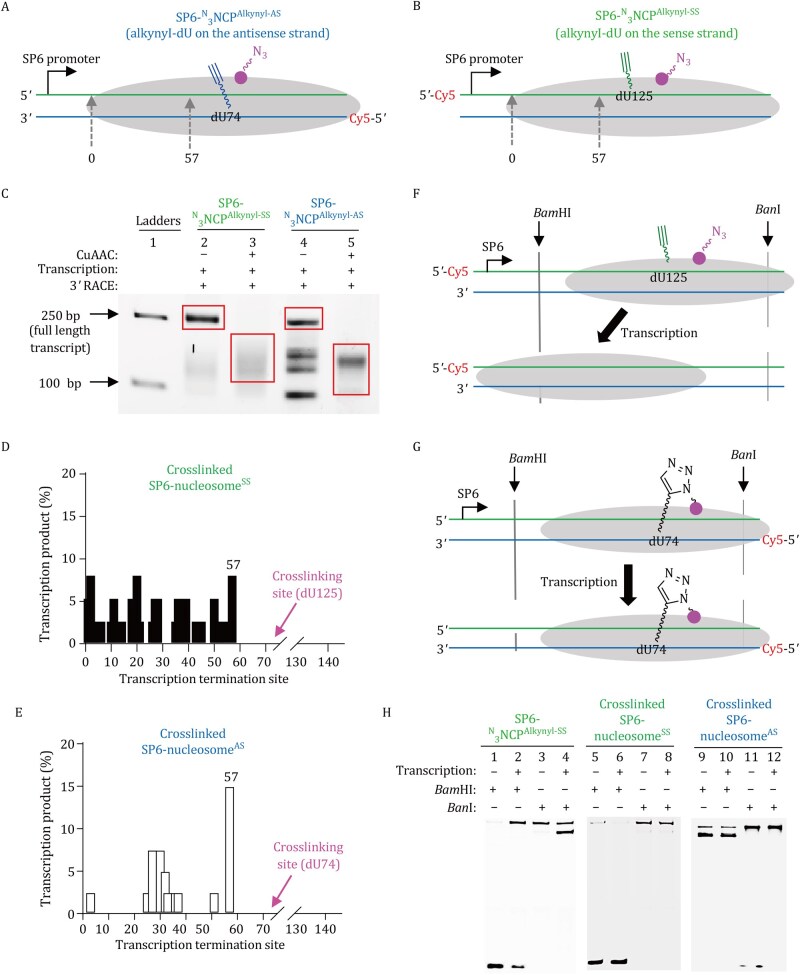
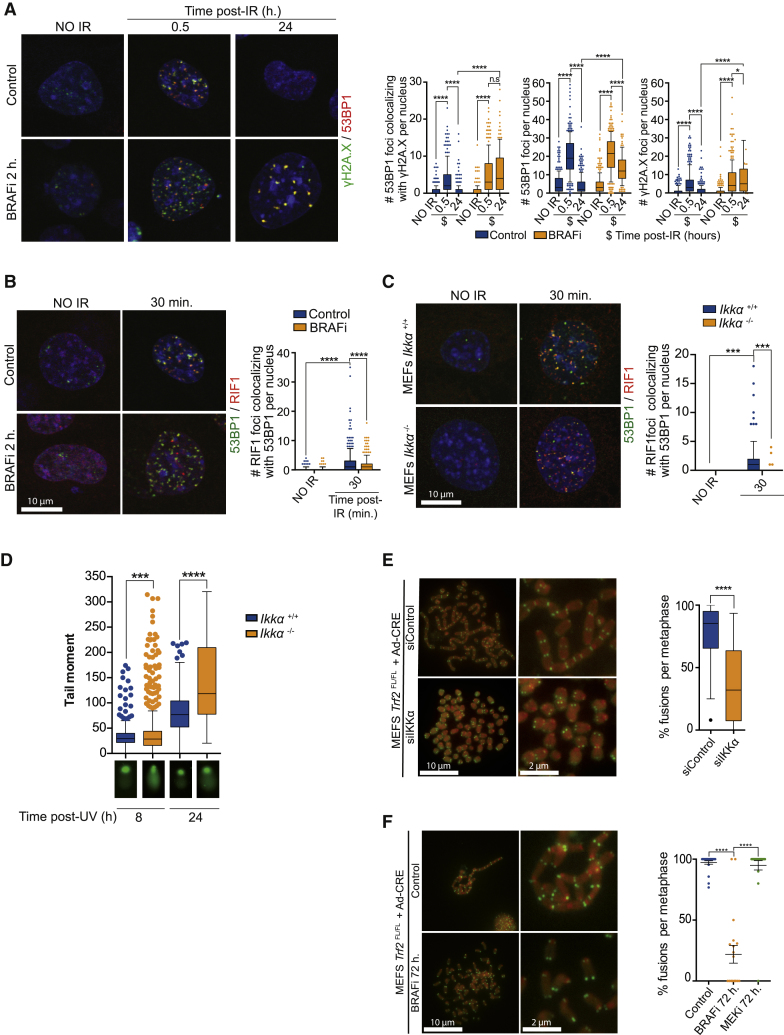
Open-access figures showing chromatin-mediated control of double-strand break repair.
02

Replication stress and difficult DNA structures

How do replication forks traverse structures that threaten genome stability?

Replication forks encounter secondary DNA structures, transcription complexes and damaged templates that can slow or collapse DNA synthesis. The group studies structure-specific helicases and fork-remodelling factors that protect these vulnerable intermediates.

Mechanistic work connects fork slowing, lesion bypass and repair to mutation avoidance, chromosome stability and potential synthetic-lethal treatment strategies.

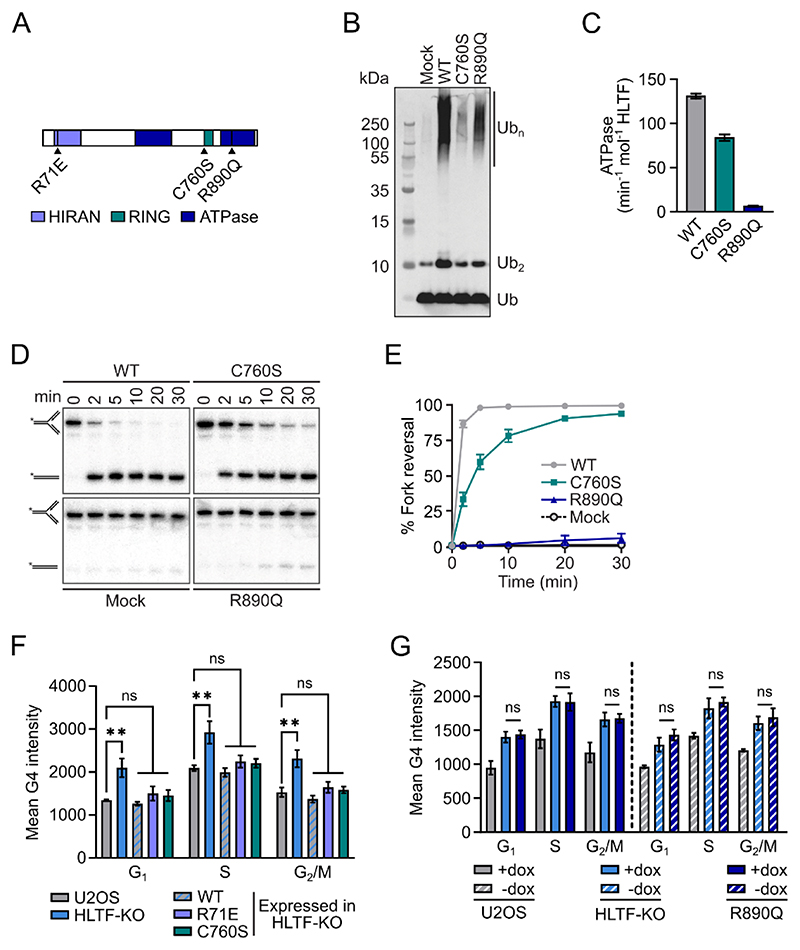
Open-access figures defining HLTF control of G-quadruplex-associated fork progression.
04

Translating DNA-repair defects into precision therapy

How can repair dependencies be converted into selective cancer treatments?

The laboratory connects basic repair mechanisms with drug discovery and biomarker development. Genetic interactions and repair phenotypes are used to nominate targets and define tumour contexts most likely to respond.

This translational direction helped underpin the development of DNA-damage-response therapeutics and continues through collaborations linking mechanistic biology to clinical precision oncology.

Open-access figures illustrating PAR-dependent assembly and regulation of DNA repair machinery.