DNA repair · genome stability · precision oncology
Boulton Lab
The Francis Crick InstituteWelcome to our lab
Boulton Lab
The Boulton laboratory investigates how cells detect, process and repair damaged DNA, from conserved repair enzymes to chromosome-scale responses. Its work connects fundamental genome maintenance with therapeutic targeting of DNA-repair-defective cancers.
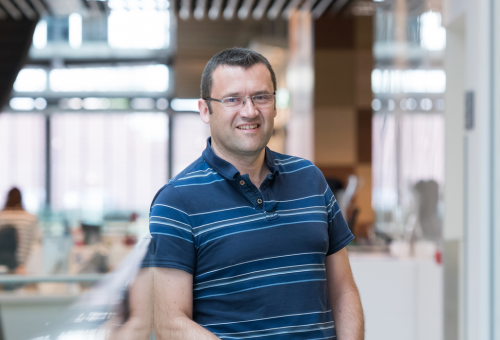
Principal investigator
Simon J. Boulton, PhD, FRS
Group Leader, DSB Repair Metabolism Laboratory
The Boulton laboratory investigates how cells detect, process and repair damaged DNA, from conserved repair enzymes to chromosome-scale responses. Its work connects fundamental genome maintenance with therapeutic targeting of DNA-repair-defective cancers.
View official profile →Research programmes
Four connected research programmes
01
Double-strand break repair and pathway choice
How are broken DNA ends protected and directed into the appropriate repair pathway?
02
Replication stress and difficult DNA structures
How do replication forks traverse structures that threaten genome stability?
03
Cross-link repair, helicases and telomere maintenance
How do conserved helicases protect chromosomes from cross-links and aberrant recombination?
04
Translating DNA-repair defects into precision therapy
How can repair dependencies be converted into selective cancer treatments?
Selected publications
Recent and defining work
2024↗2024↗2022↗2021↗2009↗
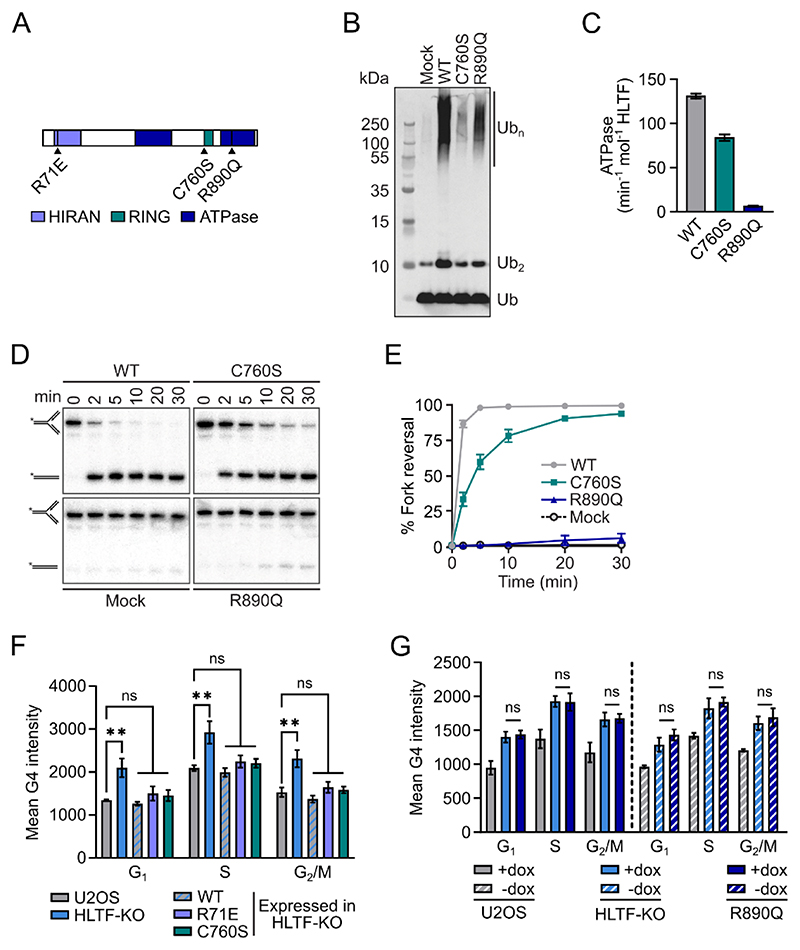
HLTF resolves G4s and promotes G4-induced replication fork slowing
Molecular Cell
Micronuclei induced by radiation or replication stress do not activate cGAS-STING
Molecular Cell
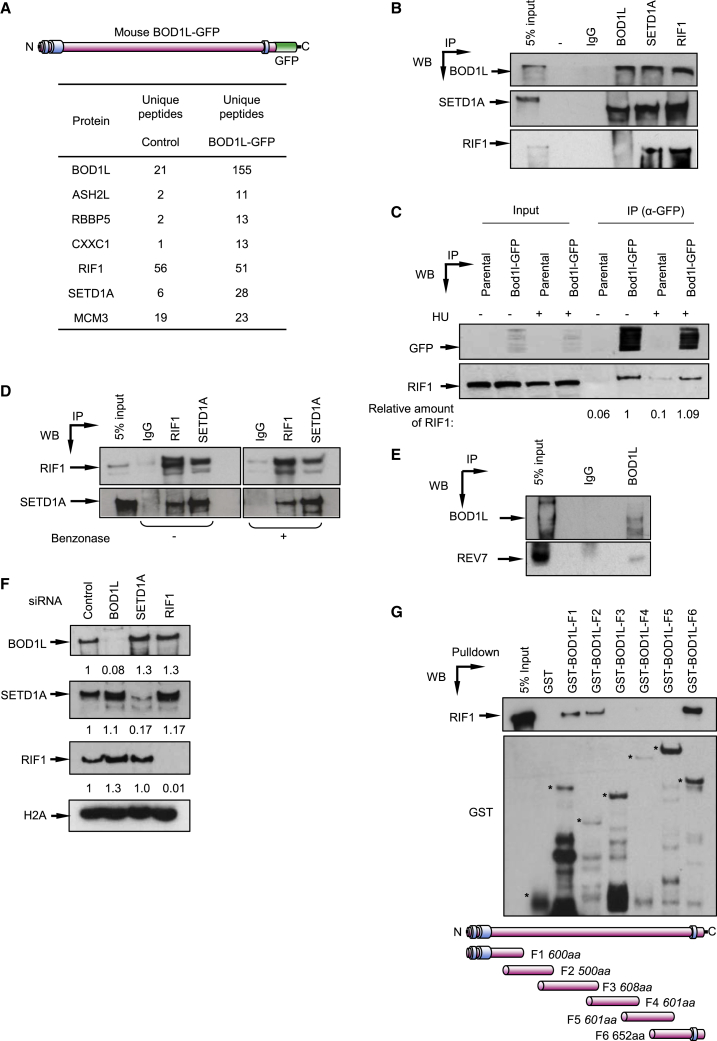
H3K4 methylation by SETD1A/BOD1L facilitates RIF1-dependent NHEJ
Cell Reports
Protection of the C. elegans germ cell genome depends on diverse DNA repair pathways
PLoS Genetics
Poly(ADP-ribose)-dependent regulation of DNA repair by ALC1
Molecular Cell
Join the lab